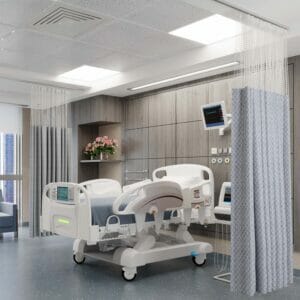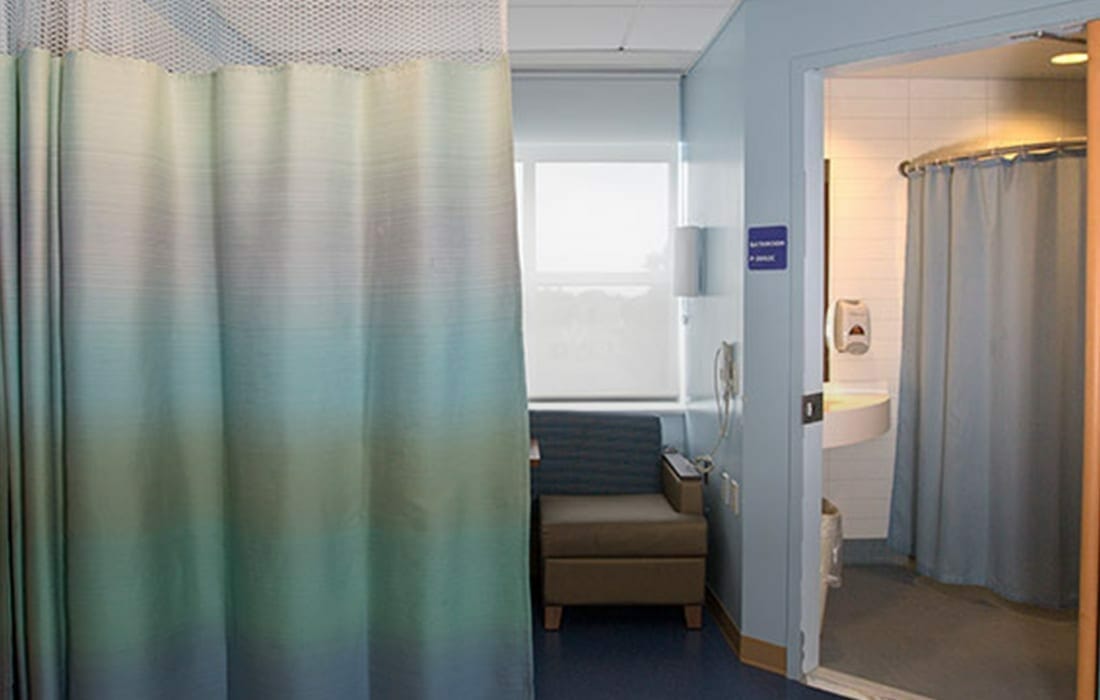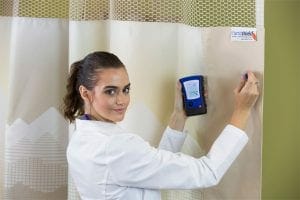
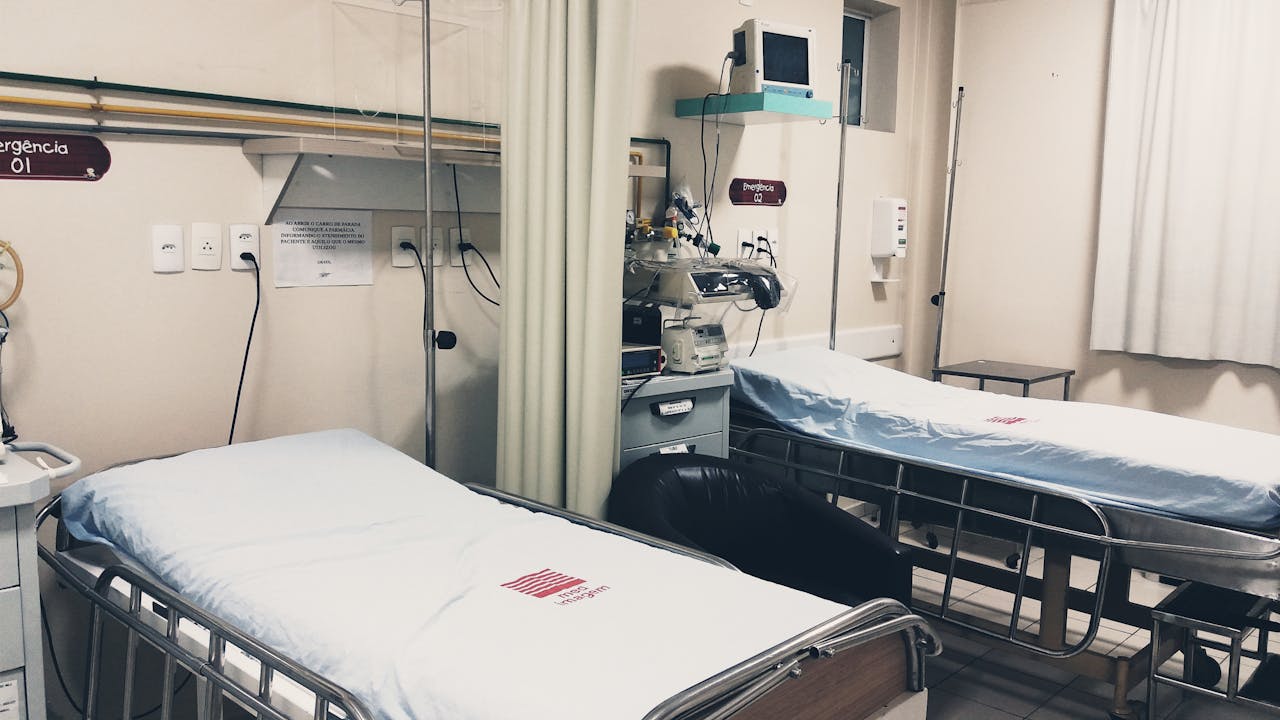
The start of a new year brings an opportunity for hospitals and healthcare facilities to reassess the structures, systems, and products that directly influence patient health and staff performance. Among these elements, Hospital Curtains—a category once considered simple and purely functional—have evolved into one of the most strategic patient care assets in modern healthcare design.
As 2026 approaches, healthcare facilities are prioritizing cleanliness, privacy, safety, energy efficiency, and patient comfort more than ever before. These changing expectations have pushed hospital interiors to adopt advanced materials, innovative track systems, antimicrobial technologies, and design-forward solutions that enhance the overall care experience. Today, Hospital Curtains are no longer “just curtains.” They are central tools for infection control, patient dignity, workflow efficiency, and facility compliance.
This in-depth blog explores how modern Hospital Curtains are raising the bar for patient care in the new year. It highlights the latest innovations, key upgrades, compliance standards, and patient-first design changes that facilities should consider as they head into 2026. The goal is simple: to empower healthcare administrators, facility managers, designers, and clinical teams to make informed decisions that lead to healthier, safer, and more efficient environments.
A New Era of Patient Care: Why Hospital Curtains Matter More Than Ever
Hospital Curtains may seem like minor components in a complex healthcare ecosystem, but they play a critical role in safety, infection prevention, privacy, and comfort.
Privacy Is a Fundamental Patient Right
Patients want—and deserve—spaces where they can feel secure, respected, and dignified during their care journey. Modern Hospital Curtains reinforce these values by offering:
-
Enhanced coverage
-
Better sound absorption
-
Thicker, more opaque materials
-
Smooth, quiet track systems that prevent disturbances
Better privacy often translates to better patient satisfaction scores and stronger overall care experiences.
Curtains as Infection Control Barriers
Hospital Curtains are among the most frequently touched surfaces in patient rooms, which makes them major points of microbial transfer. This is one reason modern curtain designs now feature:
-
Antimicrobial fabrics
-
Wipeable, non-porous surfaces
-
Fast-change panels for quick replacement
-
Fire-resistant and mold-resistant materials
These upgrades significantly decrease the chances of cross-contamination.
How Modern Hospital Curtains Enhance Infection Control Standards
Infection prevention remains the top priority in hospitals worldwide. Curtains are now engineered to contribute meaningfully to lower infection risks.
Antimicrobial Technology Leads the Way
Hospital Curtains for 2026 go beyond simple fabric treatments. They now incorporate:
-
Embedded antimicrobial agents
-
Permanent silver-ion or copper-based technology
-
Long-term protection that survives repeated laundering
-
Mold and mildew resistance
These innovations help create a cleaner, safer medical environment.
Faster Cleaning and Sanitization Cycles
Curtains featuring wipe-clean surfaces allow housekeeping and nursing staff to sanitize them quickly between patients. This is especially useful in:
-
Emergency rooms
-
Intensive care units
-
Outpatient clinics
-
High-turnover exam rooms
Faster cleaning reduces patient downtime and improves room readiness.
Disposable & Changeable Curtain Systems
Many modern curtain systems use:
-
Interchangeable panels
-
Snap-on or zip-on solutions
-
Disposable materials for isolation rooms
These advances allow hospitals to switch out contaminated areas immediately, minimizing infection risks.
Patient Comfort and Emotional Well-Being Through Design
Design isn’t just about aesthetics—it’s about healing. Modern Hospital Curtains are being designed with psychological wellness in mind.
Calming Colors and Nature-Inspired Patterns
Research shows that soothing colors and patterns support:
-
Reduced patient anxiety
-
Better sleep
-
Lower stress levels
-
Faster healing
As hospitals shift toward wellness-driven design, curtains featuring botanical prints, soft neutrals, and nature themes are becoming a core part of patient room decor.
Better Texture and Visual Warmth
Modern curtains also incorporate smooth textures, pleasant tactile finishes, and visually comforting designs that reduce the cold, clinical feel of hospital interiors.
Enhanced Privacy Through Superior Acoustic Control
Noise remains one of the biggest complaints among hospital patients. Better acoustic control is now a major focus for new curtain designs.
Sound-Dampening Fabric Technology
2026-ready Hospital Curtains may include:
-
Multi-layer fabrics
-
Dense weaves that block sound transfer
-
Acoustic absorption properties
These features reduce noise from hallways, adjacent patient areas, and staff conversations.
Better Sleep, Better Recovery
Patients who rest well heal faster. Noise-reducing curtains support:
-
Longer sleep cycles
-
Lower waking frequency
-
Less sensory overload
-
Greater emotional stability
Better acoustic performance greatly enhances overall patient comfort.
Safety Upgrades: Fire Resistance, Compliance, and Performance
Hospital Curtains must comply with strict safety regulations, and standards are higher than ever for 2026.
Improved Fire Safety Standards
Modern curtains offer:
-
NFPA 701 compliance
-
Self-extinguishing materials
-
Long-lasting flame resistance
-
Minimal smoke generation
These features help hospitals meet accreditation and inspection requirements.
Stronger, Longer-Lasting Fabrics
Today’s curtain materials are engineered for durability. They resist:
-
Tears
-
Fading
-
Shrinkage
-
Frequent laundering effects
Hospitals benefit from lower replacement costs and longer product life cycles.
Track Innovations: Quiet, Smooth, and Staff-Friendly Movement
A quiet hospital is a healing hospital. Modern curtain track systems are engineered to enhance patient care through silent, smooth operation.
Quiet-Glide Track Systems Reduce Disturbances
New track models are designed to:
-
Move silently
-
Prevent snagging
-
Glide smoothly without force
-
Reduce nighttime noise in patient rooms
This simple upgrade greatly improves patient comfort.
Smart & Automated Track Systems
Some modern systems include:
-
Motorized opening/closing
-
Touchless operation
-
Sensor-integrated controls
-
Maintenance alerts for track cleaning
Automation reduces contamination risks and improves staff efficiency.
Compatible With Ceiling Lifts & Medical Equipment
Hospitals now require track systems that integrate with:
-
Overhead lifts
-
Booms
-
Medical equipment mounting systems
This ensures seamless workflows and safe patient handling.
Sustainability and Environmental Responsibility in Modern Curtain Design
Healthcare facilities are prioritizing sustainability more than ever. Modern Hospital Curtains now align with eco-friendly purchasing and environmental guidelines.
Recycled & Low-VOC Materials
High-quality curtains often use:
-
Recycled polyester
-
Greenguard-certified materials
-
Low-VOC production methods
These eco-friendly choices reduce environmental impact and support green building certifications.
Curtains That Reduce Energy Waste
While curtains themselves don’t directly reduce energy usage, integrating them with energy-efficient shading systems can significantly improve room temperature management. Many hospitals exploring curtain upgrades also consider smart shading innovations—such as those detailed in the article How EZ Roll Shades Can Cut Energy Costs by Up to 40%.
Versatile Curtain Designs for Flexible Hospital Environments
Modern hospitals need adaptable spaces that can change function quickly. Today’s curtain systems support flexibility and scalability.
Modular Curtain Systems
Curtains now offer:
-
Adjustable lengths
-
Quick-install track configurations
-
Repositionable divisions
-
Temporary or emergency setup options
This flexibility helps hospitals manage surges, expansions, and multi-use spaces.
Perfect for High-Demand Areas
Ideal departments include:
-
Emergency rooms
-
Post-anesthesia care units
-
Pre-op areas
-
Outpatient surgical floors
When patient flow increases, modular curtains help maintain order and privacy.
The Role of Technology in Transforming Hospital Curtains
Technology has revolutionized even traditional products like curtains.
Touchless Curtain Systems Improve Safety
Touchless systems reduce cross-contamination by allowing:
-
Foot-activated movement
-
Voice activation
-
Motion sensors
-
Automatic opening/closing
Low-contact environments help increase patient safety.
IoT-Enhanced Maintenance Tracking
Some advanced curtain systems now integrate with digital facility management, offering:
-
Automated cleaning reminders
-
Maintenance alerts
-
Curtain lifecycle tracking
This supports infection prevention teams and environmental services.
How Modern Hospital Curtains Improve Staff Efficiency
Better curtains don’t just help patients—they streamline workflows for medical staff.
Quick-Change Panels Reduce Staff Burden
Disposable or modular curtains:
-
Save time
-
Reduce laundry needs
-
Minimize patient room downtime
-
Improve emergency preparedness
This makes staff workflows smoother and faster.
Curtains That Coordinate with Patient Handling Tools
Modern track systems designed for use alongside mobility equipment help staff manage:
-
Transfers
-
Lifts
-
Bed positioning
This reduces injuries and supports safer work environments.
Trends Influencing 2026 Hospital Curtain Standards
The new year has brought significant changes to healthcare interior design, with curtains playing a surprising yet essential role.
Major Trends Shaping 2026
-
Infection-resistant curtain materials
-
Eco-friendly fabrics
-
Smart and touchless systems
-
Acoustic curtain enhancements
-
Track system innovation
-
Branding and design integration
-
Better fire compliance technology
For a deeper look at what’s trending, read the insights shared in the blog Top Hospital Curtain Trends to Watch in 2026: Safety, Style & Innovation.
New Year, New Standards, New Possibilities
As the healthcare environment becomes more sophisticated, the standards for patient care are rising sharply. Hospital Curtains—once a simple privacy tool—now serve as vital components in infection prevention, noise control, safety compliance, and patient well-being.
Modern curtains contribute to:
-
Cleaner interiors
-
Better privacy
-
Enhanced comfort
-
Improved patient satisfaction
-
More efficient workflows
-
Safer environments
By upgrading to technologically advanced, design-forward, and safety-focused curtains, your facility can meet the new standards of 2026 with confidence.
HAIGuard is proud to be part of this new era of innovation, helping hospitals create cleaner, safer, and more supportive environments for every patient.