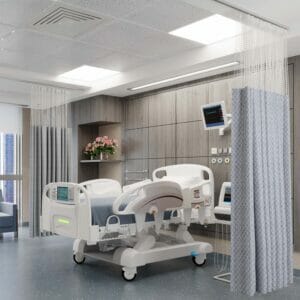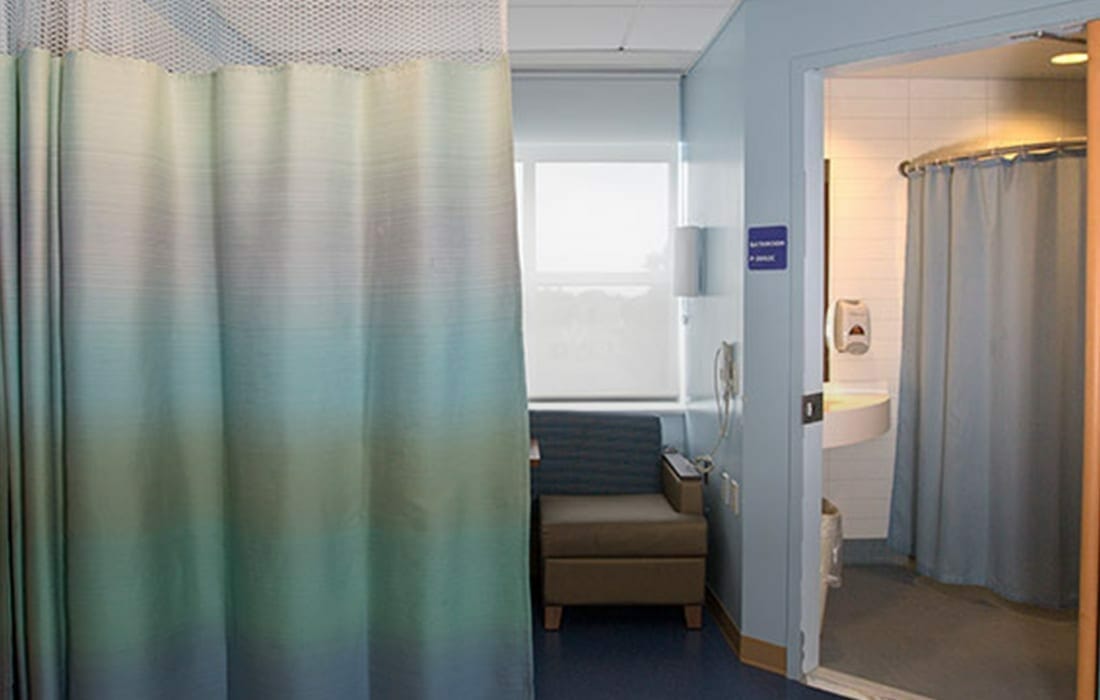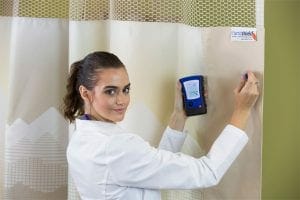
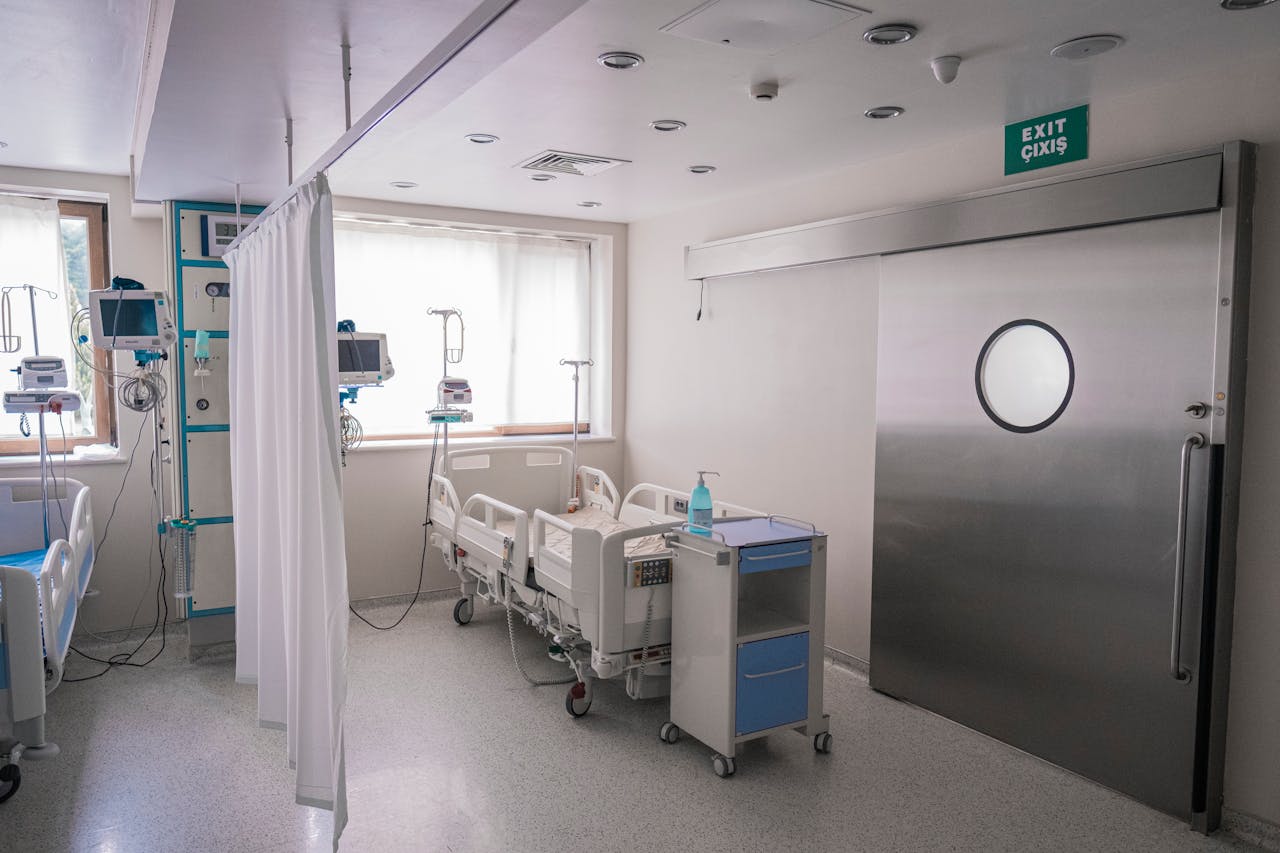
The patient experience is undergoing a significant transformation. As healthcare systems evolve to meet new regulatory expectations, higher patient demands, and rising safety standards, hospitals are turning to smarter, more patient-centered design choices. Among these upgrades, Hospital Curtains—once considered simple room dividers—are now recognized as essential tools for creating safer, more comfortable, and more dignified patient environments.
From infection control to privacy, from acoustic performance to visual comfort, high-quality privacy curtains are reshaping the way patients perceive and experience their stay. As 2026 approaches, the industry is setting a new benchmark for what exceptional patient care looks like, and modern curtain solutions are at the heart of this shift.
This in-depth blog explores how high-quality Hospital Curtains make a measurable difference in the 2026 patient experience, and why hospitals that invest in better materials, smarter systems, and thoughtful design will lead the way in patient satisfaction and clinical outcomes.
The Changing Landscape of the Patient Experience in 2026
The patient experience in 2026 is driven by principles such as dignity, safety, emotional wellness, infection prevention, accessibility, and environmental comfort.
Patients today expect:
-
More privacy
-
Less noise
-
Cleaner environments
-
More supportive, calming spaces
-
Better sleep
-
Faster response times
-
Higher transparency in care
High-quality Hospital Curtains play a pivotal role in delivering these benefits.
Modern Patients Want More Control Over Their Space
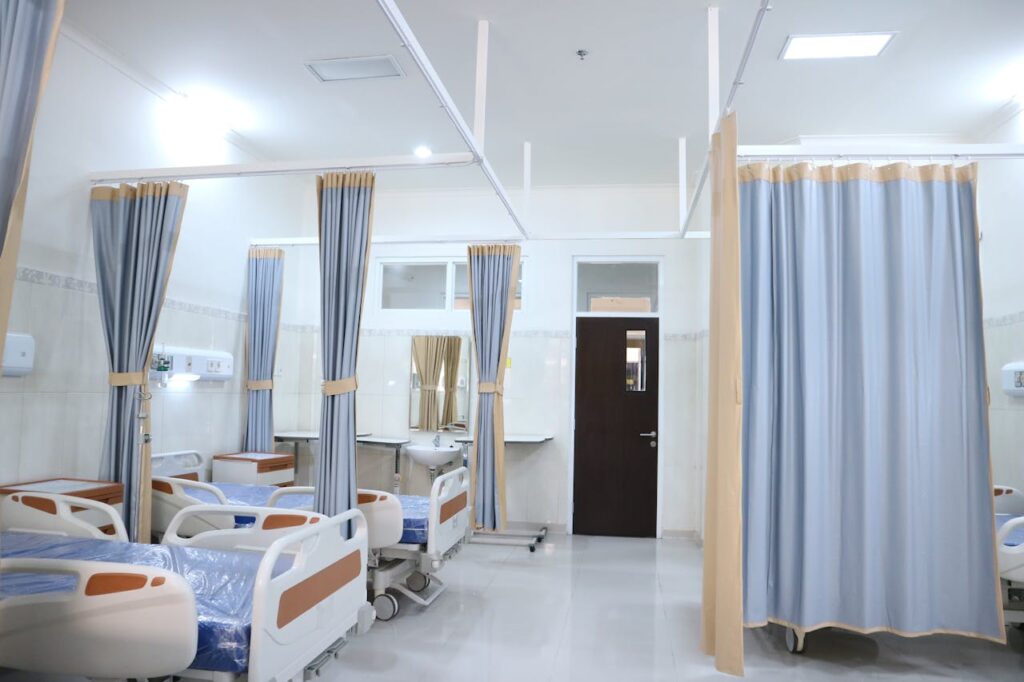
Rooms designed with better privacy solutions allow patients to:
-
Feel safer
-
Communicate openly with providers
-
Maintain personal boundaries
-
Rest more effectively
Curtains are no longer just functional—they are essential to patient empowerment.
Privacy as a Foundation of Patient Dignity
Privacy is one of the strongest drivers of patient satisfaction. In many hospitals, curtains serve as the primary line of defense for patient dignity.
Opaque, High-Density Fabrics for Real Privacy
Modern curtains eliminate transparency, even in bright or backlit conditions. This is especially important in:
-
Emergency departments
-
Multi-bed spaces
-
Hallway-adjacent rooms
-
Pre- and post-operative areas
Better privacy creates a stronger sense of security.
Smooth and Silent Tracks for Stress-Free Movement
Patients frequently report discomfort when curtains squeak, snag, or require force. Modern track systems are engineered for:
-
Silent movement
-
Easy gliding
-
Gentle operation
-
Minimal disturbance
These features significantly reduce anxiety.
To explore more about how curtain innovation affects patient care, the blog “New Year, New Standards: How Modern Hospital Curtains Improve Patient Care” offers excellent insights.
A Cleaner, Safer Environment Through Infection Control
Hospital-acquired infections (HAIs) remain one of the biggest challenges in healthcare. Privacy curtains are among the most-touched surfaces in patient rooms, making them critical to infection prevention.
Antimicrobial Fabrics Reduce Infectious Spread
Modern Hospital Curtains incorporate technology that prevents:
-
Bacterial growth
-
Viral transfer
-
Mold and mildew development
-
Odor-causing organisms
These features directly enhance patient health.
Fast-Change and Disposable Options for High-Risk Areas
Hospitals with high patient turnover benefit from systems that allow:
-
Quick curtain replacement
-
Modular panel changes
-
Disposable curtain sections
These systems reduce downtime and the risk of cross-contamination.
Easy-to-Clean Materials Support Environmental Services Teams
2026-ready curtains offer:
-
Wipeable surfaces
-
Non-porous fabric options
-
Stain-resistant coatings
-
Faster sanitization cycles
Fast cleaning means quicker room turnaround—something patients appreciate.
Comfort and Well-Being: The Emotional Side of Patient Experience
Comfort influences healing. Modern curtain designs have evolved to create warmer, more human-centered patient spaces.
Nature-Inspired Designs Promote Healing
Patients respond positively to visuals that mimic natural elements. Think:
-
Soft botanicals
-
Gentle patterns
-
Pastel tones
-
Earthy neutrals
These visual cues promote relaxation, lower stress, and create a more welcoming atmosphere.
Textures That Feel Inviting, Not Clinical
Smooth fabrics, woven textures, and panel designs add subtle luxury to rooms—contributing to a more hotel-like experience without compromising hygiene.
Color Psychology in 2026 Curtain Design
Colors now serve clinical purposes:
-
Blues: reduce stress
-
Greens: promote calmness
-
Warm neutrals: improve comfort
-
Soft yellows: encourage positivity
Hospitals that embrace color psychology create environments patients genuinely enjoy.
Hospital Curtains and Acoustic Performance
Noise is one of the top patient complaints worldwide. Poor sound management leads to frustration, anxiety, and sleep disruption.
Noise-Reducing Curtain Fabrics Improve Sleep
High-quality curtains now include:
-
Dense fabric layers
-
Sound-dampening materials
-
Better room shading
-
Improved voice privacy
Patients rest more deeply, feel more secure, and recover faster.
Enhanced Acoustic Privacy Protects Conversations
Patients want their conversations with clinicians to be private. Sound-absorbing curtains help:
-
Reduce voice leakage
-
Minimize hallway noise
-
Limit interruptions
-
Improve overall confidentiality
This is a major factor in perceived respect and trust.
2026 Design Trends That Influence Patient Satisfaction
The future of Hospital Curtains reflects a major shift toward innovation. To explore upcoming trends, the detailed article “Top Hospital Curtain Trends to Watch in 2026: Safety, Style & Innovation” provides extensive insights.
What’s Trending in 2026:
-
Eco-friendly curtain materials
-
Fire-resistant fabrics
-
Smart track systems
-
Touchless operation
-
Custom patterns
-
Enhanced durability
-
Anti-wrinkle and anti-static finishes
These features aren’t just aesthetic—they enhance care quality.
Smart Curtain Systems Improve Safety and Convenience
As hospitals innovate, privacy curtains are becoming smarter and more automated.
Touchless Technology Minimizes Infection Risks
Patients and staff benefit from:
-
Motion sensors
-
Automated curtain movement
-
Foot-controlled or elbow-controlled systems
-
Reduced hand contact
Touchless environments are the future of safe healthcare design.
IoT Integration for Maintenance Tracking
Some curtain systems now integrate with hospital facility management software to track:
-
Cleaning cycles
-
Wear and tear
-
Usage patterns
-
Required replacements
This reduces errors and creates a safer patient experience.
Fire Safety & Regulatory Compliance Support Patient Trust
Curtains must meet rigorous safety standards to protect both patients and staff.
NFPA 701-Compliant Curtains Are Now Standard
These ensure:
-
Self-extinguishing behavior
-
Reduced smoke production
-
Fire safety compliance
Proper compliance increases patient trust and improves safety ratings.
Better Quality Means Fewer Replacements
High-quality Hospital Curtains last longer despite:
-
Frequent laundering
-
Intensive cleaning
-
Daily contact
-
High-volume use
This protects patients and reduces operational costs.
Visual Branding and Identity Enhancement
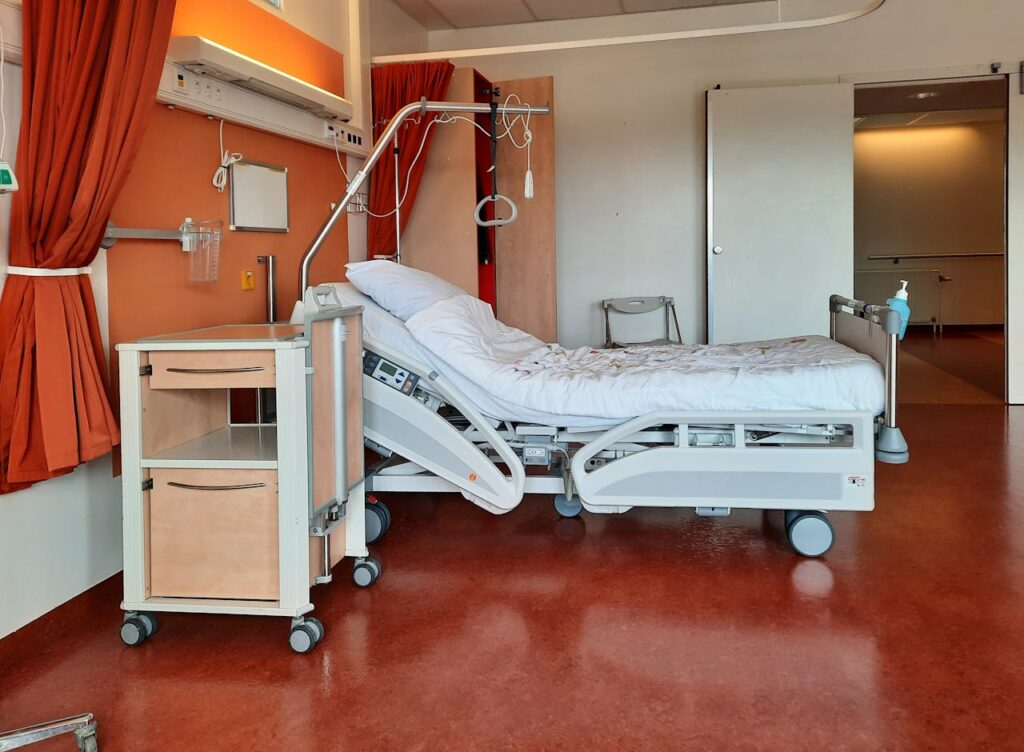
Hospitals today use curtains as part of their brand identity strategy.
How Curtain Branding Enhances Patient Experience
Curtain colors and patterns help:
-
Reinforce hospital identity
-
Establish trust
-
Improve emotional comfort
-
Create a cohesive interior design
Custom-branded curtains elevate perceptions of professionalism and care.
Hospital Curtains and Better Care Workflows
High-quality curtains make staff jobs easier—and patients benefit.
Quick-Change Systems Reduce Room Downtime
Faster curtain changes mean:
-
Quicker patient admissions
-
Fewer scheduling delays
-
Better bed turnover rates
Staff appreciate these improvements, and patients notice smoother operations.
Quiet Tracks Improve Nighttime Comfort
Patients with disrupted sleep often face:
-
Longer recovery times
-
Increased anxiety
-
Worse overall satisfaction
Silent track systems significantly improve nighttime quietness.
Environmental Sustainability Matters to Patients
Patients in 2026 care about environmental responsibility.
Eco-Friendly Curtains Make a Difference
Hospitals are adopting:
-
Recycled materials
-
Low-VOC fabrics
-
Long-life curtain systems
-
Waste-reducing modular designs
These upgrades support hospital sustainability initiatives while creating a more health-conscious environment for patients.
By upgrading curtain systems, hospitals can dramatically improve patient satisfaction and clinical outcomes—something that matters now more than ever.
HAIGuard remains committed to helping facilities create cleaner, safer, and more dignified environments for every patient.