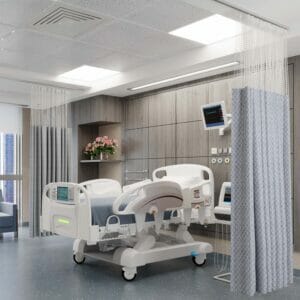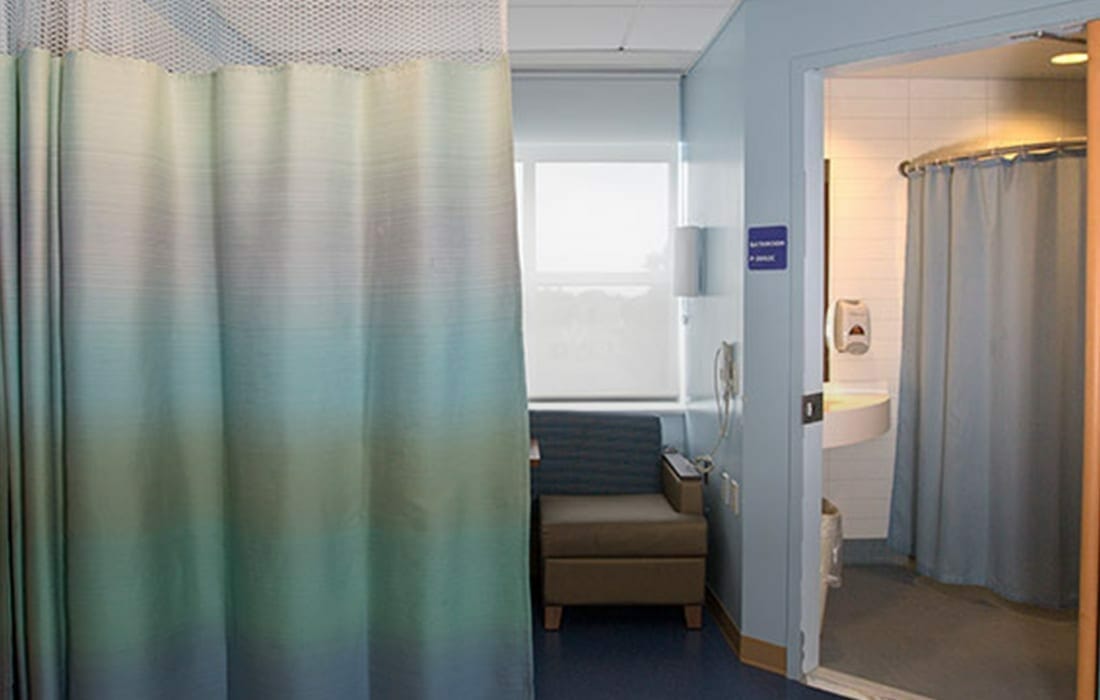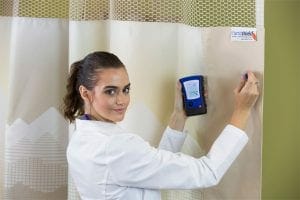

Hospital design is evolving faster than ever, and healthcare facilities are under growing pressure to upgrade their interiors in ways that improve safety, enhance patient comfort, streamline staff efficiency, and meet increasingly strict regulatory expectations. Among the many upgrades taking place, Hospital Curtains—a product category often overlooked—are stepping into the spotlight as a powerful tool for improving infection control, privacy, acoustic performance, sustainability, and patient experience.
As we move into 2026, industry expectations, design preferences, and technology innovations are reshaping how hospitals choose, manage, and maintain privacy curtains. Whether your facility is planning a major renovation, preparing for accreditation, or simply optimizing operational performance, understanding the top hospital curtain trends for the year ahead can help you make smarter decisions.
This comprehensive guide explores the major Hospital Curtains trends to watch in 2026—from antimicrobial fabrics to smart track systems, eco-friendly materials, automated solutions, and more. It also highlights practical insights for facility managers, architects, infection prevention teams, and hospital administrators looking to stay ahead of the curve.
The Rise of Advanced Antimicrobial & Antiviral Hospital Curtains
The need for infection control continues to intensify, making antimicrobial curtains one of the most important upgrades for 2026. Hospitals today operate under rigorous hygiene protocols, and the role of curtains in preventing cross-contamination is finally receiving the attention it deserves.
Why Antimicrobial Curtains Are a Must-Have in 2026
Privacy curtains are among the most frequently touched surfaces in patient areas, especially in emergency departments, ICUs, and outpatient exam rooms. That makes them a high-risk contact point for bacterial and viral transmission.
In 2026, the most effective hospital curtains will include:
-
Embedded antimicrobial agents that prevent bacterial growth
-
Fast-cleaning or wipe-clean surfaces designed for high-turnover patient rooms
-
Fabrics that resist mold, mildew, and odor development
-
Long-lasting antimicrobial efficacy, even after repeated laundering
Facilities are increasingly adopting antimicrobial curtains not only for safety but also for operational efficiency. High-performing antimicrobial fabrics reduce the need for constant replacements, lowering long-term costs.
Fire-Resistant and Regulatory-Compliant Curtains Take Center Stage
Compliance is a major trend shaping the future of healthcare interiors. Fire safety regulations are becoming more complex, and hospitals are being more closely scrutinized during inspections.
Enhanced Fire-Resistance Standards
In 2026, hospitals are adopting curtains that offer:
-
NFPA 701 certification
-
Self-extinguishing properties
-
Stain and smoke resistance
-
Better long-term performance under high-volume use
The next generation of Hospital Curtains will feature improved fire-retardant treatments that last longer and withstand extensive washing cycles without degradation.
Ensuring Accreditation Readiness
High-quality curtains can help hospitals meet requirements for:
-
Joint Commission
-
HFAP
-
CMS
-
Local fire and building codes
Upgrading curtains is one of the simplest yet most impactful ways to ensure compliance during facility audits.
Patient-Centric Designs: Softer Colors, Calming Patterns & Wellness-Focused Aesthetics
The healthcare industry is shifting toward environments that support healing, comfort, and emotional well-being. In 2026, the aesthetic design of Hospital Curtains will play a major role in creating patient-centered spaces.
Trending Visual Styles
Expect to see:
-
Soft earth tones for stress reduction
-
Nature-inspired patterns that promote a calming ambiance
-
Warm neutrals for a modern, spa-like feel
-
Color palettes that align with evidence-based design principles
Curtains are now seen as a cost-effective way to refresh a room without major renovation. By updating patterns and textures, hospitals can elevate the entire patient experience.
Behavioral Health–Friendly Curtains
More facilities are investing in secure, ligature-resistant curtain systems for behavioral health units. These designs prioritize:
-
Patient safety
-
Durable performance
-
Soft, non-triggering visual elements
This reflects a broader trend toward inclusive, trauma-informed healthcare design.
Smart Curtain Systems and Technology-Integrated Hospital Curtains
Technology is reshaping every corner of hospital design—even privacy curtains.
What Smart Curtain Systems Offer in 2026
-
Automated movement for touch-free privacy
-
Sensors that detect when curtains need cleaning
-
Integrated tracking of maintenance schedules
-
Enhanced compatibility with digital facility management systems
The push toward touchless healthcare environments is a major reason smart curtains are gaining popularity. Minimizing physical contact reduces contamination risk while increasing convenience for staff and patients alike.
AI-Enhanced Environmental Control
Some next-generation curtain solutions will soon feature:
-
Acoustic sensors
-
Airflow monitors
-
Heat-mapping integration
While these technologies are still emerging, 2026 will see more pilot programs, research studies, and early-stage deployments.
Quiet, Smooth, and Durable Track Systems Become Non-Negotiable
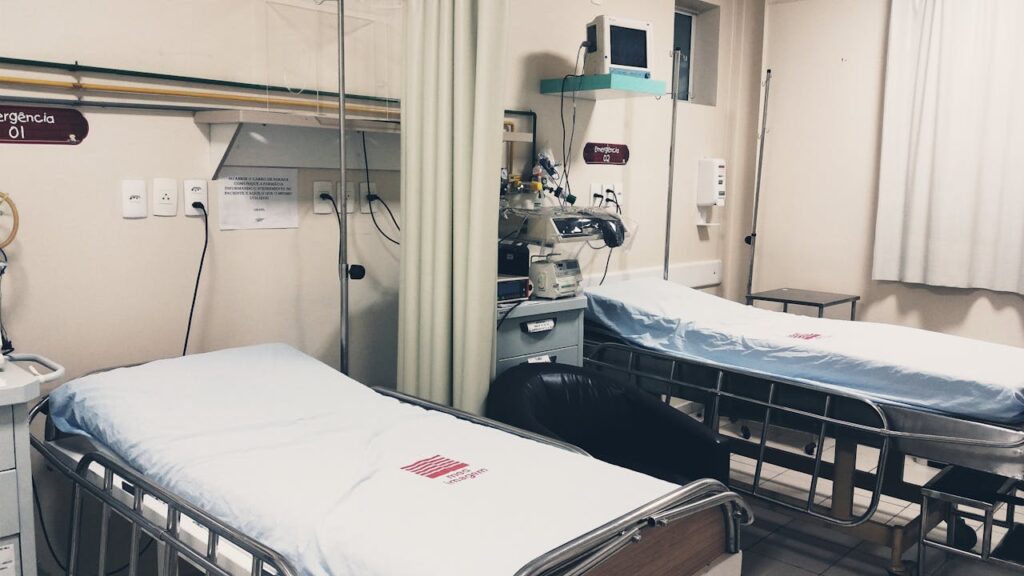
While the curtain fabric is important, the track system plays a huge role in functionality, durability, and patient satisfaction. No one wants a loud, squeaky, jerky curtain track system in a hospital room.
Track systems are trending toward:
-
Ultra-quiet rolling
-
Smooth gliding performance
-
High durability for long-term use
-
Seamless compatibility with ceiling lifts and booms
-
Low-maintenance materials that prevent rust or corrosion
A great example of this innovation is highlighted in the blog Why the EZ Glide Track System Is the Quiet, Durable Choice for Privacy Curtains, which explores how improved track engineering boosts both patient comfort and operation efficiency.
Hospitals are increasingly investing in advanced track systems because they reduce maintenance costs and last significantly longer than traditional hardware.
Sustainable and Eco-Friendly Hospital Curtains Lead the 2026 Green Movement
Sustainability is no longer optional. Hospitals are under pressure to reduce waste, improve energy efficiency, and embrace environmentally conscious purchasing strategies.
Key Sustainability Trends in Hospital Curtains
-
Recycled-content fabrics
-
Greenguard-certified materials
-
Low-VOC and non-toxic manufacturing
-
Curtains designed for extended lifespan
-
Biodegradable or recyclable components
Eco-friendly curtains help hospitals support their ESG (Environmental, Social, and Governance) initiatives while reducing environmental impact.
Energy Efficiency Connections
Although curtains themselves don’t directly reduce energy usage, integrating them with sun management solutions can. For example, facilities investing in advanced shading solutions may appreciate the insights shared in How EZ Roll Shades Can Cut Energy Costs by Up to 40%.
Disposable & Interchangeable Curtain Systems Gain Momentum
Disposable curtains are becoming a mainstream option for facilities with high infection control needs. They offer quick replacement, lower contamination risk, and reduced laundering demands.
Where Disposable Curtains Are Trending
-
Emergency departments
-
Behavioral health units
-
High-turnover clinics
-
Isolation rooms
-
Outpatient surgery centers
In 2026, hospitals are opting for hybrid systems that support both reusable and disposable curtains. Interchangeable panels make it easy to remove contaminated sections without replacing the entire curtain.
This reduces waste and lowers labor costs while maintaining strict hygiene standards.
Improved Acoustic Control Through Sound-Absorbing Curtains
Noise pollution is a major problem in hospitals. Excessive noise disrupts sleep, heightens anxiety, and slows healing.
New Acoustic Curtain Features
Expect to see curtains with:
-
Sound-dampening fabrics
-
Multi-layered composites
-
Enhanced privacy through acoustic suppression
-
Improved staff conversations without disturbing patients
These curtains are especially valuable in:
-
Emergency rooms
-
NICUs
-
Multi-bed wards
-
Hallways and transitional areas
As hospitals redesign patient areas for greater comfort, noise management becomes a top priority for 2026.
Modular & Flexible Curtain Solutions for Multi-Use Spaces
Healthcare spaces are becoming more adaptable. Hospitals now need rooms that can transform between functions—especially after lessons learned during the pandemic.
Modular Curtain Trend Features
-
Curtains that slide, fold, or reposition easily
-
Systems for dynamic room division
-
Multi-layer curtains with adjustable privacy levels
-
Quick-install tracks for temporary or emergency use
Hospitals are prioritizing flexibility as they prepare for future surges, seasonal demands, and variable patient loads.
High-Durability, Low-Maintenance Curtains for Cost Reduction
As hospitals manage tighter budgets, durability has become one of the strongest purchasing drivers for 2026.
Characteristics of Long-Lasting Curtains
-
Tear-resistant fabrics
-
Reinforced hems and grommets
-
Fade-resistant colors
-
Long warranty periods
-
Industrial-grade track compatibility
Curtains that last longer result in fewer replacements, fewer disruptions, and lower overall operating costs.
This trend also aligns with sustainability initiatives—longer-lasting materials equal less waste.
Customized Branding & Design Integration Becomes More Common
Hospitals are embracing branding as part of their interior design strategy. Instead of generic curtains, they’re integrating colors, patterns, and aesthetics that reflect the hospital’s identity.
Branding Trends for 2026
-
Curtains with custom color palettes
-
Designs that match the hospital’s visual identity
-
Specialty prints for pediatric, maternity, or rehab units
-
Coordinated drapery, cubicle curtains, and window treatments
This trend is powerful because it elevates the patient experience and reinforces a sense of professionalism and consistency.
Disposable Mesh Tops & Safety-Centric Top Panel Innovations
The mesh top of a hospital privacy curtain is crucial for:
-
Fire safety
-
Airflow
-
Light distribution
-
Compliance
In 2026, hospitals are adopting redesigned mesh tops that allow:
-
Faster installation
-
Higher airflow efficiency
-
Easier compliance with fire codes
-
Quick replacement without removing the full curtain
Mesh innovations may seem subtle, but they play a major role in overall curtain performance.
Increased Focus on Touchless & Infection-Free User Experience
Touchless solutions aren’t just a trend—they’re becoming standard for healthcare environments.
Touchless Curtain Innovations
-
Foot-operated or elbow-operated curtain pulls
-
Sensor-based movement
-
Automated retraction systems
-
Non-contact tracking for cleaning cycles
Hospitals want fewer touchpoints, safer workflows, and simplified cleaning protocols.
Hospital design trends change every year, but 2026 stands out as a pivotal moment for innovation in privacy curtains. From antimicrobial fabrics and fire-resistant materials to smart technology, sustainability, improved track systems, and calming design choices, Hospital Curtains are becoming a mission-critical component of modern healthcare environments.
By adopting the right solutions now, hospitals can enhance patient comfort, streamline operations, reduce infection risks, improve compliance, and significantly lower long-term maintenance costs.
If your facility is preparing for renovations, accreditation, or a 2026 design refresh, investing in high-quality, high-performance curtain solutions is one of the smartest decisions you can make.