
In healthcare environments, operational efficiency is a critical benchmark. Every workflow, supply chain, and hygienic protocol must align with best practices to ensure safety, compliance, and optimal patient care. While high-tech solutions and advanced infrastructure often take center stage, it’s the seemingly small operational elements—like discharge curtains—that quietly influence hospital efficiency in profound ways.
A reliable discharge curtain service plays a key role in maintaining hygiene standards, improving turnover times, supporting staff workflows, and upholding regulatory compliance. In this comprehensive article, we’ll explore why hospitals must prioritize a consistent curtain service program, how it aligns with infection prevention efforts, and why overlooking this detail can be a costly mistake.
The Purpose and Pressure Behind Discharge Curtains
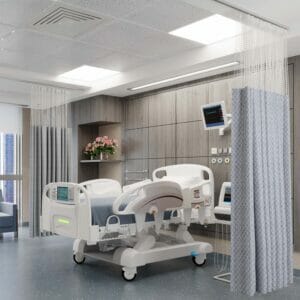
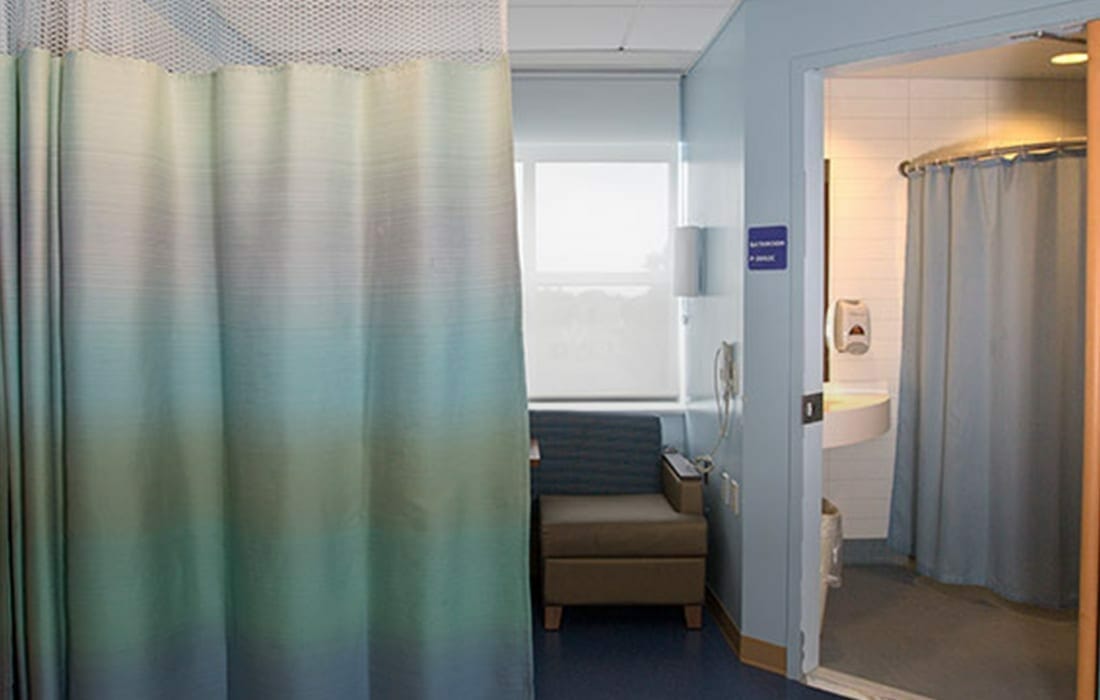
Discharge curtains—also known as cubicle or privacy curtains—are essential fixtures in healthcare facilities. Installed around patient beds, exam areas, or treatment bays, these curtains provide more than privacy. They create barriers to pathogens, support infection control efforts, and help define personal space in high-traffic clinical environments.
Because curtains are situated in such close proximity to patients and staff, they are regularly touched, exposed to sneezes or coughs, and contaminated by airborne particles. This makes them a common vector for germs. According to various infection control audits, soft surfaces in hospitals are often neglected despite their high contamination potential.
Yet, unlike hard surfaces that are disinfected regularly, curtains require professional laundering, scheduled rotation, or replacement. Without a structured discharge curtain service in place, hospitals risk compromising not just cleanliness—but efficiency.

The Hidden Cost of Neglected Curtain Maintenance
Let’s consider the many problems that arise when curtain maintenance is reactive instead of proactive.
-
Delayed Room Turnover: When curtains aren’t replaced on time, rooms remain unready for the next patient, delaying admissions and care.
-
Increased Risk of Infections: Dirty curtains contribute to hospital-acquired infections (HAIs), which lead to extended patient stays and higher operational costs.
-
Staff Workflow Interruptions: Nurses or janitorial staff must scramble to replace curtains when they become visibly soiled or torn, pulling them away from core duties.
-
Compliance Gaps: During inspections, inconsistent curtain hygiene records can cause regulatory headaches or lead to failed audits.
With the stakes this high, relying on an ad hoc curtain replacement schedule simply isn’t feasible for modern healthcare institutions.
How Discharge Curtain Services Support Hospital Efficiency
A structured and reliable discharge curtain service ensures that hospitals maintain optimal operations without burdening clinical or support staff. Here’s how:
1. Faster Room Turnaround
When a patient is discharged or transferred, facilities must reset the space quickly for the next individual. This involves a detailed cleaning process, equipment checks, and curtain replacement. A dependable curtain service eliminates guesswork. Curtains are removed, replaced, and documented as part of a predefined rotation or emergency protocol, reducing downtime significantly.
2. Infection Control Compliance
Hospitals must adhere to strict infection control policies laid out by the CDC, OSHA, and The Joint Commission. Regular curtain changes are part of these protocols. A professional curtain service ensures:
-
Timely laundering or replacement based on facility use.
-
Curtains meet antimicrobial and flame-retardant standards.
-
Documented records of maintenance, easily accessible during audits.
For a deeper look at how material selection influences hygiene and durability, refer to The Role of Fabric Choice in the Performance of Custom Cubicle Curtains.
3. Improved Workflow for Staff
Hospital staff are already under pressure. Adding curtain handling responsibilities interrupts workflows and adds unnecessary stress. When a third-party provider oversees curtain installation, cleaning, and compliance tracking, clinical staff are freed to focus on patient care—where their expertise is truly needed.
4. Standardization Across Units
Visual consistency may seem aesthetic, but it plays a functional role. Uniform curtain designs promote brand cohesion, reduce patient confusion, and support zoning in shared wards. Learn more in Why Consistency in Curtain Design is Critical for Healthcare Facilities.
A reliable service ensures all areas follow the same fabric, color, and hanging system standards—eliminating mismatched or outdated curtains that can compromise the patient experience.
What Makes a Curtain Service “Reliable”?
The effectiveness of any discharge curtain service hinges on three factors: consistency, customization, and compliance.
A. Scheduled Replacement Protocols
A top-tier service doesn’t wait for a visible stain to take action. Instead, they follow a structured timeline for curtain changes—weekly, bi-weekly, or monthly depending on the ward type and patient volume.
B. Emergency Readiness
Spills, bodily fluids, and contamination can occur at any moment. A reliable provider should offer same-day or rapid-response replacements, ensuring downtime is minimized.
C. Fabric and Hook System Compatibility
Not all curtains are created equal. Providers must work with your facility’s specific curtain tracks, snap systems, or hook mechanisms to ensure efficient installation. HAIGuard™ specializes in tailored curtain systems that integrate seamlessly into hospital infrastructure.
D. Inventory Management
Professional services handle curtain stock, so you never run out or need to over-purchase. Clean, folded, ready-to-hang curtains are stored and managed offsite until needed.
E. Compliance Documentation
Every curtain removed and installed must be tracked. Reliable providers offer digital reports showing dates, times, areas serviced, and laundering certifications.
Discharge Curtains as Part of a Larger Infection Prevention Strategy
Hospitals increasingly recognize that infection prevention extends beyond handwashing and surface disinfectants. Curtains, bedding, upholstery, and even clothing textiles are part of the hygiene ecosystem.
Soft surfaces harbor microbes longer than hard surfaces, especially when exposed to moisture and warmth. Curtains near patients must meet the following requirements:
-
Flame retardancy (NFPA 701 certified)
-
Antimicrobial properties
-
Non-toxic, hypoallergenic fabric
-
Ease of laundering without fabric degradation
Hospitals that overlook curtain maintenance as part of their larger infection control strategy often see greater incidence of HAIs—impacting patient outcomes, hospital ratings, and insurance reimbursements.
Choosing the Right Discharge Curtain Service Partner
Your facility needs a partner, not just a vendor. Here’s what to consider:
1. Experience in Healthcare Environments
Look for a service provider with proven expertise working with hospitals, outpatient clinics, surgical centers, and long-term care facilities. The needs of healthcare environments differ dramatically from commercial or residential settings.
2. Customization and Fit
From color coordination to custom curtain sizes, your partner should offer personalized solutions. Off-the-rack won’t cut it when each facility has unique architecture and workflows.
3. Full-Service Offering
The right curtain service provider handles everything—from fabric selection and curtain manufacturing to laundering and on-site replacement. This reduces vendor complexity and ensures quality control from start to finish.
For hospitals seeking an all-in-one discharge curtain solution, explore HAIGuard’s Discharge Curtain Service, designed with hospital efficiency in mind.
Sustainability in Curtain Management

As sustainability becomes a greater priority for healthcare institutions, curtain services must evolve accordingly. Reusable antimicrobial curtains with longer life spans, eco-conscious laundering facilities, and recyclable materials are increasingly important.
Ask your provider about:
-
Water- and energy-efficient laundering practices.
-
Use of eco-friendly, low-emission detergents.
-
Biodegradable or recyclable curtain materials.
HAIGuard™ continues to lead the way in sustainable curtain practices, aligning hospital operations with environmental responsibility without compromising on performance or compliance.
Small Detail, Massive Impact
It’s easy to overlook discharge curtains in the grand scheme of hospital management. But these simple barriers play a powerful role in infection control, patient privacy, regulatory compliance, and daily operations.
When discharge curtain services are neglected, the consequences ripple across departments. When they’re prioritized, hospitals see smoother workflows, fewer delays, and healthier patient outcomes.
A reliable curtain service isn’t an expense—it’s an operational asset. Whether you’re a large hospital system or a community clinic, choosing the right service partner ensures you never have to worry about the details that matter most.
Ready to streamline your curtain maintenance and take the pressure off your staff?
Learn more about HAIGuard’s Discharge Curtain Service and how we’re helping hospitals operate with greater hygiene, speed, and consistency.