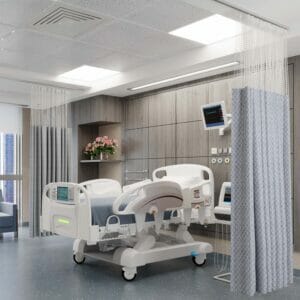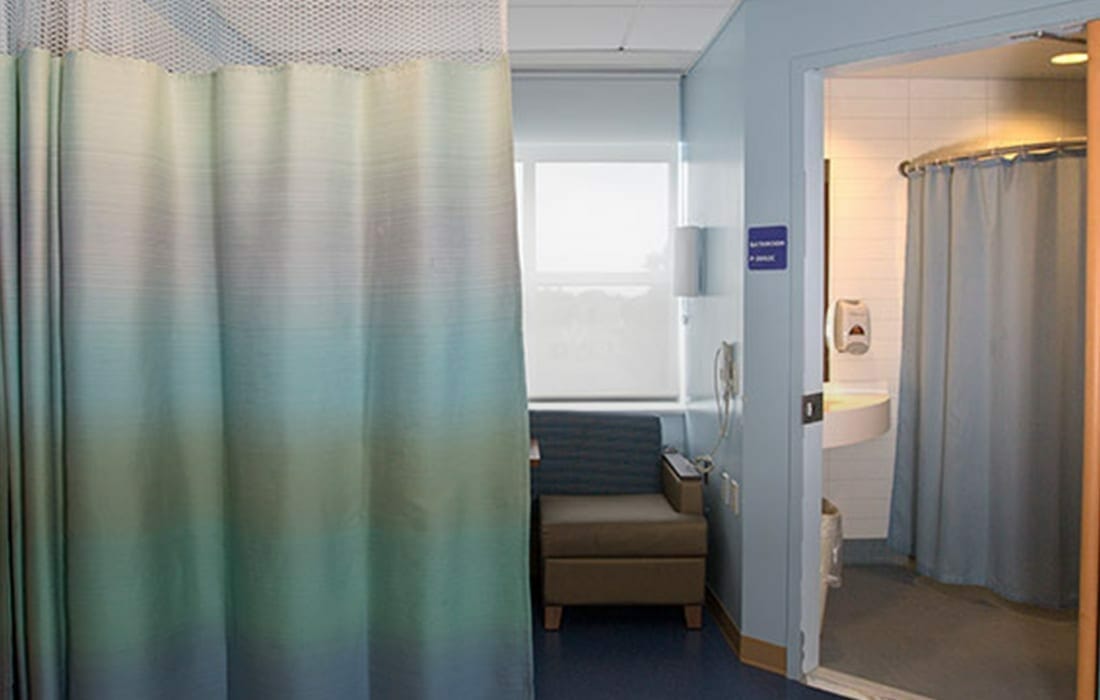

Healthcare facilities are under increasing pressure to deliver safer care, operate more efficiently, and control costs without compromising patient experience. In 2026, these demands are reshaping how hospitals evaluate even the most familiar elements of the care environment. One area undergoing a quiet but powerful transformation is Hospital Curtains.
Once viewed as simple, static furnishings, hospital curtains are now recognized as high-touch clinical assets that directly influence infection prevention, workflow efficiency, and patient perception. As healthcare leaders reassess ownership models and operational responsibilities, a growing number are embracing managed curtain services rather than traditional purchase-and-maintain approaches.
At HAIGuard, we refer to this shift as the rental revolution. Managed curtain services represent a smarter, more scalable way to maintain curtain hygiene, regulatory compliance, and operational consistency across facilities. This article explores how managed curtain programs work, why they are gaining momentum, and how they improve facility efficiency in measurable, meaningful ways.
Why Hospital Curtains Are No Longer Just a Supply Item
Hospital curtains exist at the intersection of privacy, infection control, and operational logistics. They surround patients during some of their most vulnerable moments, yet they are touched frequently by clinicians, visitors, and staff. This constant contact places curtains among the most contaminated soft surfaces in healthcare environments.
Despite their importance, curtains have historically been treated as static inventory. Facilities purchased them, installed them, and relied on internal teams to track cleaning, replacement, and compliance. Over time, this model revealed serious limitations, particularly as infection prevention standards became more rigorous.
Inconsistencies in laundering schedules, gaps in documentation, and resource constraints often resulted in curtains remaining in service longer than recommended. In today’s environment, where environmental hygiene is closely scrutinized, these gaps present both clinical and operational risks.
Understanding the Managed Curtain Services Model
Managed curtain services fundamentally change how healthcare facilities approach curtain hygiene. Instead of owning and maintaining curtains internally, facilities partner with a specialized provider that assumes responsibility for the entire lifecycle of the curtain system.
Under a managed model, the service provider supplies the curtains, manages installation, tracks usage, ensures timely changes, and maintains hygiene standards aligned with best practices. Curtains are replaced or laundered on defined schedules, often informed by risk assessments and performance data rather than arbitrary timelines.
For hospitals and health systems, this approach shifts curtain management from a reactive task to a proactive, structured service.
The Operational Burden of Traditional Curtain Ownership
To understand why managed services are gaining traction, it helps to examine the challenges of traditional ownership models.
In many facilities, curtain management is fragmented across departments. Environmental services may be responsible for cleaning, nursing units may identify when changes are needed, and supply chain teams handle procurement. Without centralized oversight, inconsistencies are common.
Curtains may remain in use despite exceeding recommended change intervals. Documentation is often incomplete or manual, making audits and compliance reporting difficult. Emergency curtain changes disrupt workflows, pulling staff away from higher-priority tasks.
As healthcare operations grow more complex, these inefficiencies become increasingly costly.
How Managed Curtain Services Improve Facility Efficiency
Managed curtain services address these challenges by introducing structure, accountability, and predictability into curtain hygiene workflows.
Streamlining Environmental Services Operations
When curtain management is outsourced to a specialized provider, environmental services teams are relieved of time-consuming tasks such as tracking curtain age, coordinating laundry cycles, and responding to unplanned replacements. This allows staff to focus on core cleaning responsibilities that directly affect patient safety.
With HAIGuard-managed services, curtain changes occur on scheduled intervals, reducing last-minute requests and workflow disruptions. Predictable service cycles improve planning and reduce operational friction.
Reducing Administrative Complexity
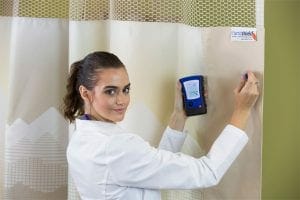
Documentation and compliance reporting are critical in modern healthcare. Managed curtain programs provide centralized tracking systems that record when curtains are installed, cleaned, and replaced. This data supports audits, accreditation reviews, and infection prevention reporting without placing additional burden on internal teams.
Instead of chasing records across departments, facility leaders gain clear visibility into curtain hygiene performance.
Optimizing Inventory Management
Traditional curtain ownership requires facilities to maintain inventory, manage storage space, and plan for replacements. Overstocking ties up capital, while understocking leads to delays and emergency purchases.
Managed services eliminate these challenges. Curtains are supplied as needed, inventory is maintained by the provider, and facilities avoid the hidden costs associated with storage and procurement inefficiencies.
Infection Prevention Advantages of Managed Curtain Programs
Operational efficiency is only one side of the equation. Infection prevention remains the primary driver behind the rental revolution.
Hospital curtains are known reservoirs for pathogens, including spore-forming organisms and multidrug-resistant bacteria. Without strict hygiene controls, curtains can contribute to environmental contamination and indirect transmission.
Managed curtain services ensure that curtains are changed and cleaned according to evidence-based schedules, reducing microbial load and supporting broader infection prevention strategies.
To understand how sporicidal innovations are redefining textile hygiene standards, review THE SCIENCE OF CLEAN: WHY SPORICIDAL TREATMENTS ARE THE NEW STANDARD FOR HOSPITAL CURTAINS.
By integrating advanced textile technologies into managed programs, facilities gain continuous protection between cleanings while maintaining consistent hygiene performance.
Aligning Curtain Change Frequency With Risk-Based Protocols
One of the most significant advantages of managed services is the ability to align curtain change frequency with clinical risk rather than convenience.
Different units within a facility carry different levels of exposure and vulnerability. Intensive care units, oncology wards, and isolation rooms require more frequent intervention than outpatient or administrative areas.
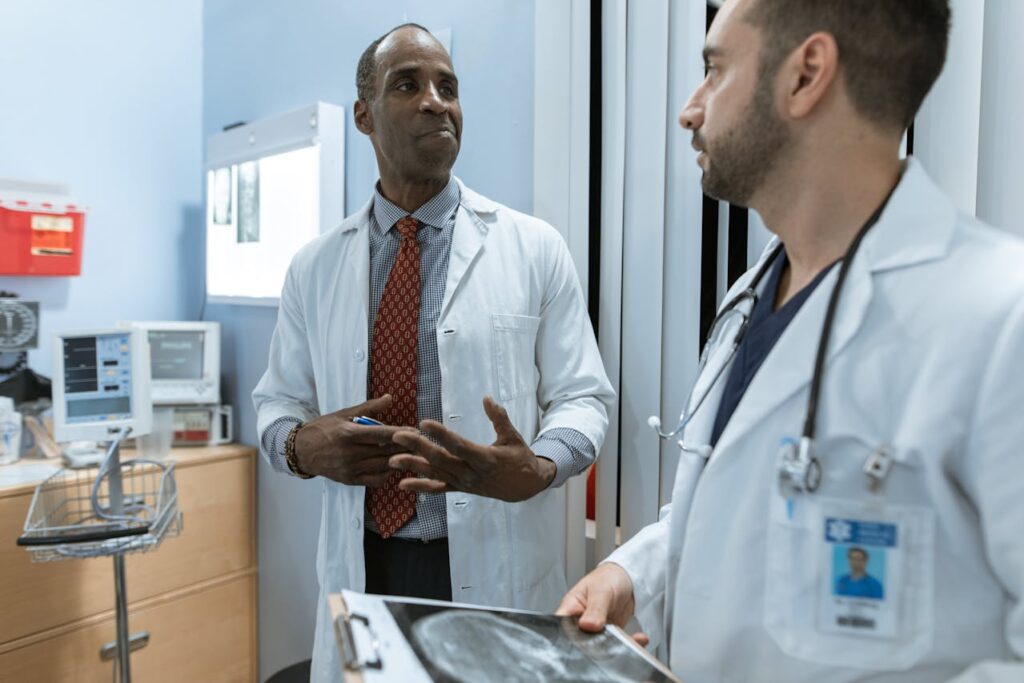
Managed services allow providers like HAIGuard to tailor schedules based on unit type, patient population, and infection prevention goals. This targeted approach ensures resources are deployed where they have the greatest impact.
For a deeper discussion on evidence-based change frequency, see 2026 HYGIENE PROTOCOLS: HOW OFTEN SHOULD YOU REALLY CHANGE MEDICAL CURTAINS.
Financial Predictability and Cost Control
From a financial perspective, managed curtain services offer predictability that traditional ownership models often lack.
Instead of unpredictable expenses tied to emergency replacements, laundry surges, or compliance gaps, facilities operate under a consistent service agreement. This converts variable costs into predictable operating expenses, simplifying budgeting and forecasting.
While managed services may appear more expensive at first glance, total cost of ownership analyses often reveal savings when labor, inventory, compliance risk, and infection-related costs are considered.
Preventing even a small number of hospital-acquired infections can offset the cost of a managed curtain program many times over.
Improving Patient Experience Through Consistency
Patients notice their surroundings. Clean, well-maintained hospital curtains contribute to perceptions of safety, professionalism, and quality of care.
Managed curtain services ensure that curtains remain visually clean, functional, and free from wear. Consistent appearance across units reinforces trust and supports patient satisfaction metrics.
In an era where patient experience scores influence reimbursement and reputation, these details matter more than ever.
Supporting Staff Confidence and Compliance
Healthcare workers operate in high-pressure environments. When environmental controls are inconsistent, staff may lose confidence in the safety of their workspace.
Managed curtain programs remove uncertainty. Staff know that curtains are maintained according to defined standards, reducing anxiety around contamination and compliance.
This confidence supports adherence to broader infection prevention practices and fosters a culture of safety.
Standardization Across Health Systems
For multi-facility health systems, standardization is a persistent challenge. Different sites often operate under varying curtain protocols, leading to inconsistent performance and compliance gaps.
Managed curtain services enable system-wide standardization. HAIGuard works with health systems to implement uniform protocols, reporting structures, and performance benchmarks across all locations.
This consistency simplifies governance, improves oversight, and strengthens system-wide infection prevention strategies.
The Role of Technology and Data in Managed Services
Modern managed curtain programs are increasingly data-driven. Tracking systems provide insights into curtain usage patterns, change frequency, and compliance metrics.
This data enables continuous improvement. Facilities can identify high-risk areas, adjust schedules, and demonstrate performance improvements over time.
As healthcare moves toward more transparent and measurable quality standards, data-backed curtain management becomes a strategic asset.
Sustainability and Environmental Responsibility
Sustainability is an emerging consideration in healthcare operations. Managed curtain services can support environmental goals by optimizing laundering cycles, reducing unnecessary replacements, and extending curtain lifespan through proper maintenance.
Centralized management often results in more efficient resource use compared to fragmented, facility-managed approaches.
Why HAIGuard Leads the Rental Revolution
At HAIGuard, managed curtain services are built on a foundation of clinical insight, operational expertise, and proven textile technology. Our programs are designed to integrate seamlessly into healthcare environments while delivering measurable benefits.
We collaborate with infection prevention teams, environmental services leaders, and facility managers to create solutions that reflect real-world workflows and evolving standards.
The rental revolution is not about outsourcing responsibility. It is about partnering with experts who specialize in curtain hygiene so healthcare teams can focus on what matters most: patient care.
The Future of Hospital Curtains in a Managed World
As healthcare continues to evolve, managed services will play an increasingly central role in environmental hygiene. Curtains, once overlooked, are now recognized as critical assets requiring specialized attention.
In the coming years, expect greater adoption of managed models that combine advanced textile technologies, data-driven scheduling, and system-wide standardization.
Facilities that embrace this shift will be better positioned to meet regulatory expectations, reduce infection risk, and operate efficiently in a demanding healthcare landscape.
Efficiency, Safety, and the New Standard
The rental revolution represents a fundamental change in how healthcare facilities manage Hospital Curtains. By moving from ownership to managed services, organizations gain efficiency, consistency, and confidence in their environmental hygiene practices.
Managed curtain services reduce operational burden, support infection prevention, improve patient experience, and deliver financial predictability. In 2026 and beyond, they are becoming the preferred model for forward-thinking healthcare organizations.
At HAIGuard, we are proud to lead this transformation, helping facilities turn a traditionally overlooked item into a strategic advantage.