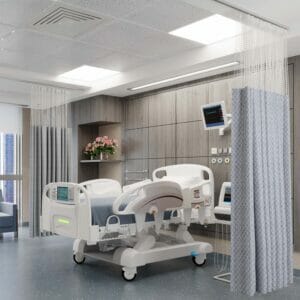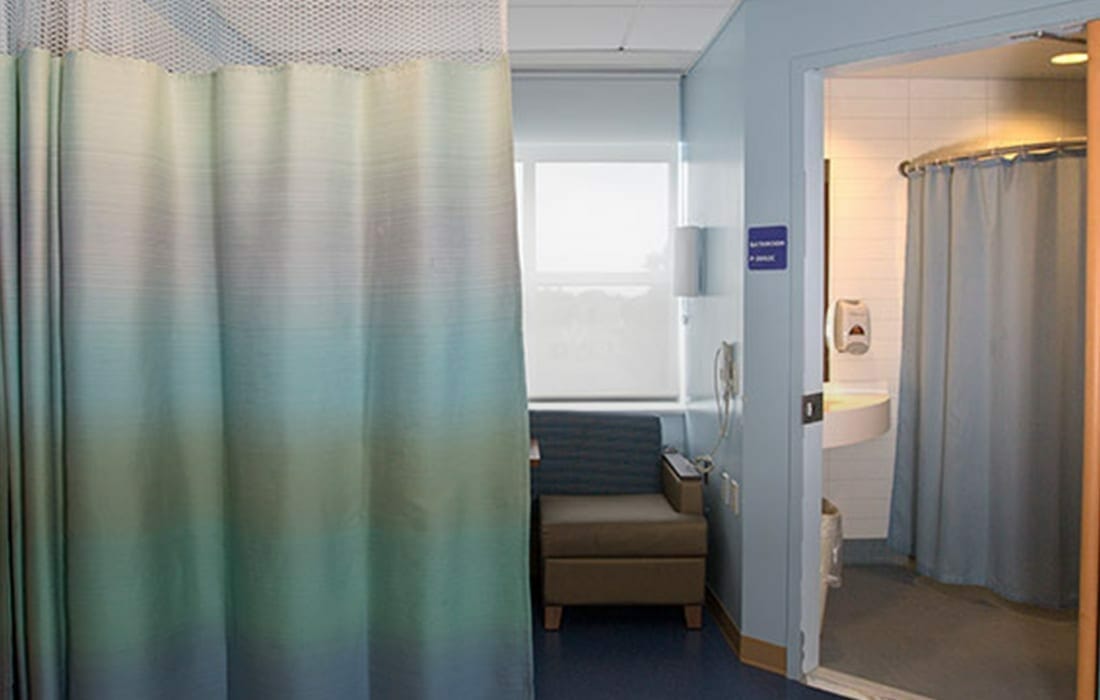

When healthcare facilities evaluate privacy solutions, the emphasis often falls on layout, compliance, or hardware. Yet one of the most influential—yet frequently overlooked—factors is fabric selection. For custom cubicle curtains, fabric is far more than just a visual or tactile element. It’s the backbone of functionality, hygiene, longevity, and patient comfort.
The wrong choice in fabric can compromise infection control, increase maintenance costs, and disrupt aesthetic harmony. On the other hand, the right fabric enhances operational efficiency, supports healthcare protocols, and reinforces brand identity. In this blog, we explore why fabric matters, what properties are essential in healthcare environments, and how choosing the right curtain fabric can make a significant difference in performance and long-term value.
Fabric as a Foundation: Why It’s Not Just About Looks
While many see curtains as primarily decorative, in medical settings, they play an important operational role. Privacy curtains help divide shared rooms, protect patient dignity, control acoustic and visual distractions, and support infection prevention strategies.
That role is only as effective as the materials allow. A fabric’s thickness, weave, coating, and treatment influence not only how well it performs under daily use but also how it contributes to cleanliness, safety, and regulatory compliance.
In the case of custom cubicle curtains, every fabric must serve multiple functions:
-
Create visual privacy
-
Stand up to repeated handling and cleaning
-
Withstand exposure to bacteria, fluids, and environmental stress
-
Maintain color and structure through frequent laundering
-
Support patient and staff comfort with low-maintenance functionality
Choosing the right curtain fabric is not an upgrade—it’s a necessity.
Infection Control Begins at the Surface Level
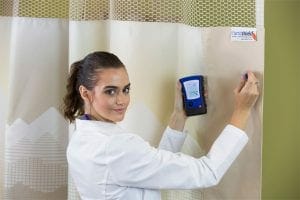
High-touch surfaces in healthcare facilities are among the top contributors to the spread of pathogens. Curtains, being accessed by staff, patients, and visitors multiple times daily, require special attention. Selecting a fabric with antimicrobial and fluid-resistant properties is essential.
The right fabric helps reduce microbial growth between laundering cycles and supports frequent disinfection. Today’s advanced textiles can offer:
-
Antimicrobial coatings that resist bacteria and viruses
-
Moisture-repellent finishes to limit absorption and staining
-
Breathable weaves that resist mildew and maintain airflow
-
Flame-retardant compliance with NFPA and local fire safety codes
More importantly, these fabrics allow for consistent cleaning protocols, making it easier for environmental services teams to maintain hygiene standards across departments.
Facilities that prioritize cleanliness and durability over short-term cost often look toward custom solutions. As discussed in Why Custom Cubicle Curtains Are the Gold Standard in Healthcare Privacy Solutions, choosing a tailored approach gives facilities the flexibility to select fabrics that meet both operational demands and aesthetic goals.
Durability for High-Traffic Environments
Hospital and clinic settings subject cubicle curtains to extreme levels of wear and tear. Whether it’s constant drawing and repositioning or contact with medical equipment, curtain fabrics must be tough enough to perform under pressure.
The key fabric characteristics that support long-term use include:
-
High tensile strength: to resist tearing or fraying
-
Colorfastness: so the curtain retains its look after multiple washes
-
Shrink resistance: maintaining size consistency even after dozens of laundry cycles
-
Abrasion resistance: especially at points of repeated contact
Not all materials are created equal. Polyester blends, inherently flame-retardant fabrics, and coated textiles are among the best performers for healthcare-specific cubicle curtains. With heavy-duty grommets and reinforced headers, the overall curtain system performs as a reliable part of your daily operations.
Fabric Choice and Acoustic Performance
Noise pollution is a well-documented stressor in healthcare environments. It disrupts sleep, increases anxiety, and negatively affects staff performance. While cubicle curtains aren’t primary soundproofing tools, certain fabric weights and weaves do help dampen acoustic disruption, particularly in multi-patient rooms or open-plan layouts.
Selecting a thicker, tightly woven fabric can make a measurable difference in noise reduction—offering patients a more restful and healing experience.
This contributes directly to the patient perception of quality care. Even subtle environmental cues like quietness and visual comfort reinforce the sense of being well looked after.
Supporting Facility Branding and Interior Design
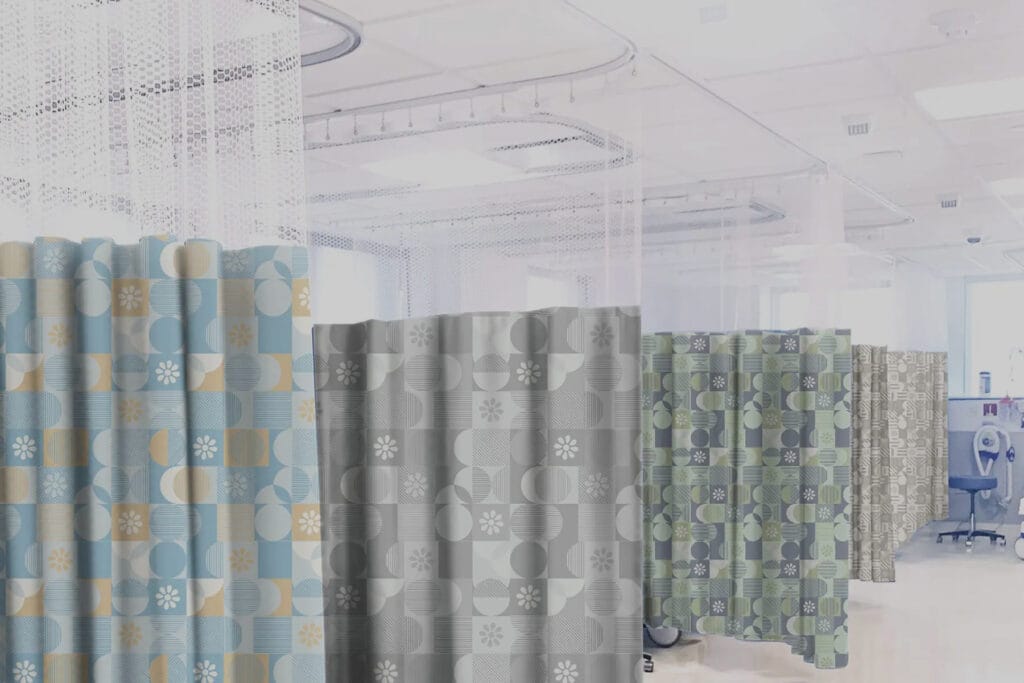
Fabric choice isn’t only about utility—it also plays a role in reinforcing the identity of a facility. With custom cubicle curtains, hospitals and clinics can select colors, textures, and patterns that align with their branding, create calming environments, and differentiate departments.
The right fabric can:
-
Support color-coded zones for quick departmental recognition
-
Enhance wayfinding for patients and visitors
-
Match existing furniture, flooring, or wall designs
-
Promote a consistent, professional appearance across locations
In a competitive healthcare market, appearances matter. Curtains made from uniform, coordinated fabrics support a seamless design language. This not only improves the aesthetic cohesion of the facility but also reinforces confidence in the care being delivered.
If you’re interested in why consistency plays such an important role beyond function, the article Why Consistency in Curtain Design Is Critical for Healthcare Facilities outlines how standardized design enhances both patient and staff experiences.
Meeting Regulatory and Safety Requirements
In addition to visual and tactile considerations, curtain fabric must comply with multiple safety standards. These may include:
-
NFPA 701: Flame propagation for textiles
-
OSHA guidelines: Especially around bloodborne pathogens
-
HIPAA: Ensuring patient privacy through physical barriers
The right fabric enables compliance without sacrificing appearance or comfort. For healthcare procurement teams, fabric selection is a balancing act between meeting technical specifications and maintaining daily usability.
That’s where custom fabrication plays a crucial role. Instead of retrofitting off-the-shelf solutions, you can choose materials that are pre-certified for your region, facility type, and patient population.
Ease of Maintenance and Lifecycle Savings
Another benefit of selecting the right fabric is the reduction in total cost of ownership. Durable, healthcare-grade fabrics reduce the frequency of replacement, saving labor and supply chain costs over time. More importantly, fabrics that are easy to clean and quick to dry improve turnaround times for patient rooms—enhancing operational efficiency.
Maintenance-friendly fabrics offer:
-
Machine-washable durability
-
Color retention through frequent cleaning
-
Quick-dry performance to speed up room prep
-
Resistance to wrinkling or distortion
In many cases, panels made with modular or interchangeable designs can be cleaned or replaced individually, reducing waste and avoiding unnecessary downtime.
Explore how custom cubicle curtains designed with smart fabric selections can simplify your curtain maintenance routines while upholding the highest hygiene standards.
Sustainability and Eco-Conscious Options
Today’s healthcare facilities are becoming increasingly mindful of their environmental impact. This includes not only the cleaning agents used but also the materials being sourced.
Several modern healthcare curtain fabrics are now:
-
Made with recycled content
-
Manufactured with reduced water or energy usage
-
Free from harmful dyes or chemical treatments
-
Designed for extended life cycles to reduce waste
Sustainable fabric options contribute to LEED certification goals and corporate social responsibility efforts. When matched with durable construction and low-impact maintenance, eco-conscious materials are both practical and progressive.
Customization: The Ultimate Fabric Advantage
Off-the-shelf curtains rarely check every box. Custom fabrication, on the other hand, enables you to control every element—from drop length and color to antimicrobial performance and acoustic function.
With the flexibility to tailor curtain fabrics to room function and department type, you create a cohesive, compliant, and comfortable environment throughout the facility.
Whether you’re outfitting surgical bays, maternity suites, exam rooms, or oncology wards, the ability to choose the best possible fabric for each use case means better outcomes for patients, staff, and operations.
The HAIGuard™ Difference
Choosing a reliable manufacturer is just as important as selecting the right fabric. At HAIGuard™, our focus is entirely on privacy curtain systems for healthcare. Each curtain is fabricated in the U.S. using consistent standards and quality materials, ensuring that what you receive today will match what you order years from now.
Our range of custom cubicle curtains is designed to integrate high-performance fabrics that meet infection control requirements, safety standards, and aesthetic goals—all with fast turnaround times.
With an expert team and dedicated production, HAIGuard™ simplifies the process of selecting and sourcing privacy curtains, helping you navigate fabric choices with confidence.
Fabric First Means Function First
In the world of healthcare interiors, every element must do more than look good—it must perform under pressure. That’s why fabric choice in custom cubicle curtains deserves a front-row seat in design, procurement, and infection control strategies.
From controlling pathogens to easing cleaning routines, enhancing patient comfort to elevating design cohesion, the fabric you choose sets the tone for how your curtains—and your facility—will function day after day.
Don’t settle for generic. Choose fabric that works as hard as your healthcare team. Choose materials that last, protect, and support. And when it comes time to source your next set of privacy curtains, make fabric performance your top priority.